
EXHIBITION
200 Years of Australian Fashion
2016
VENUE
National Gallery of Victoria
YEAR
While working as an exhibition designer within the National Gallery of Victoria's in-house design team, Peter King led the design of 200 Years of Australian Fashion — the first major survey of Australian fashion, bringing together more than 120 works by over ninety designers across four galleries and curated by Paola Di Trocchio.
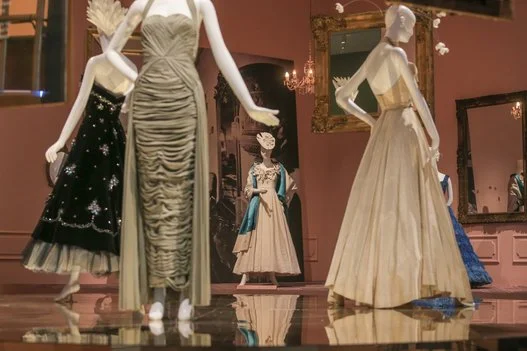
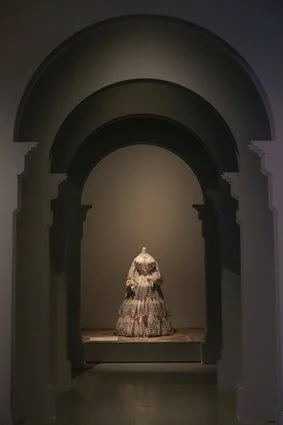
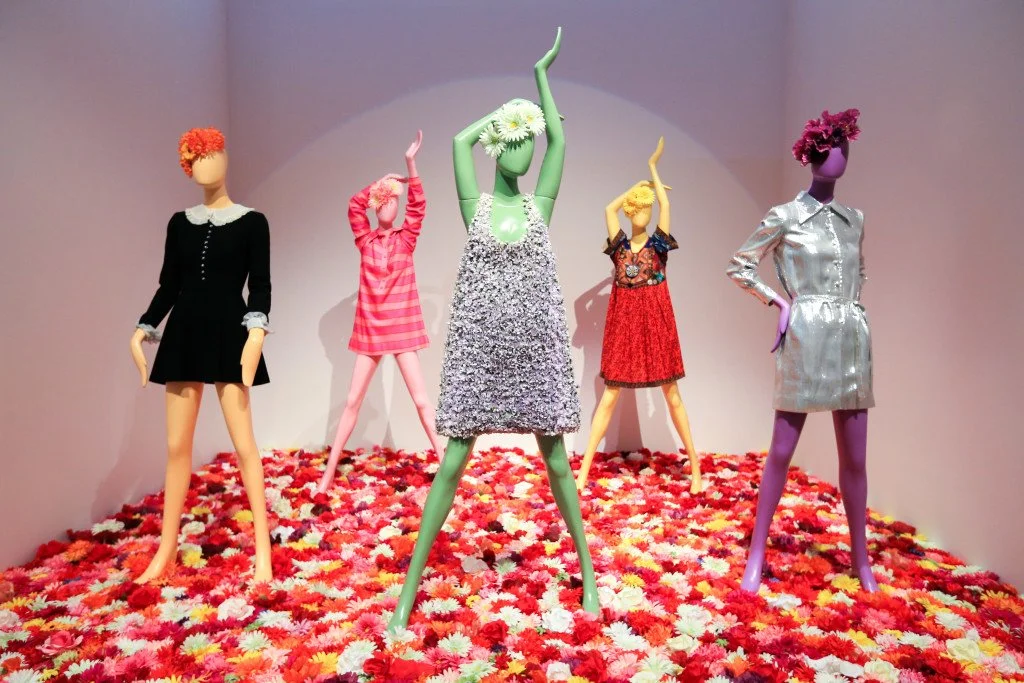
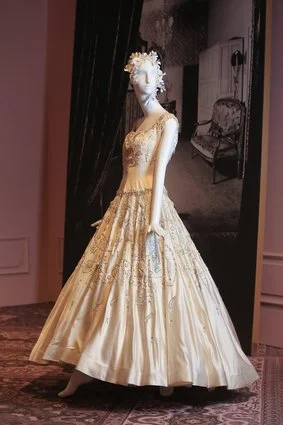
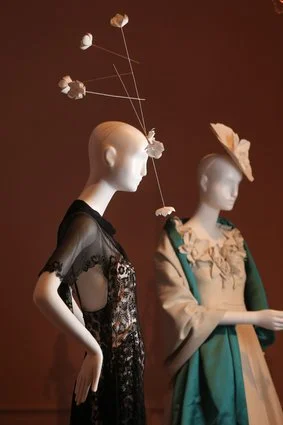
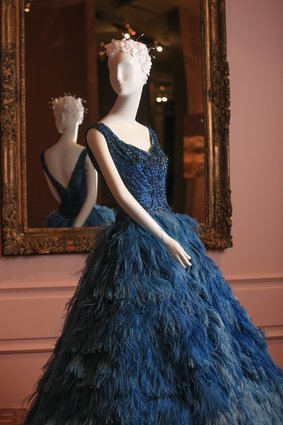
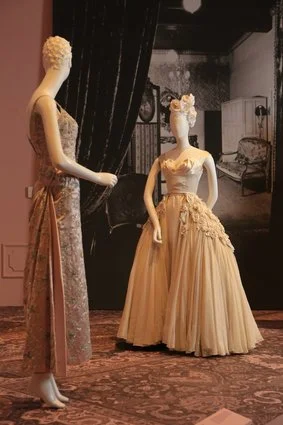
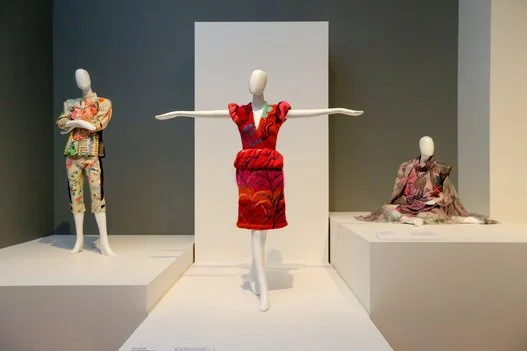
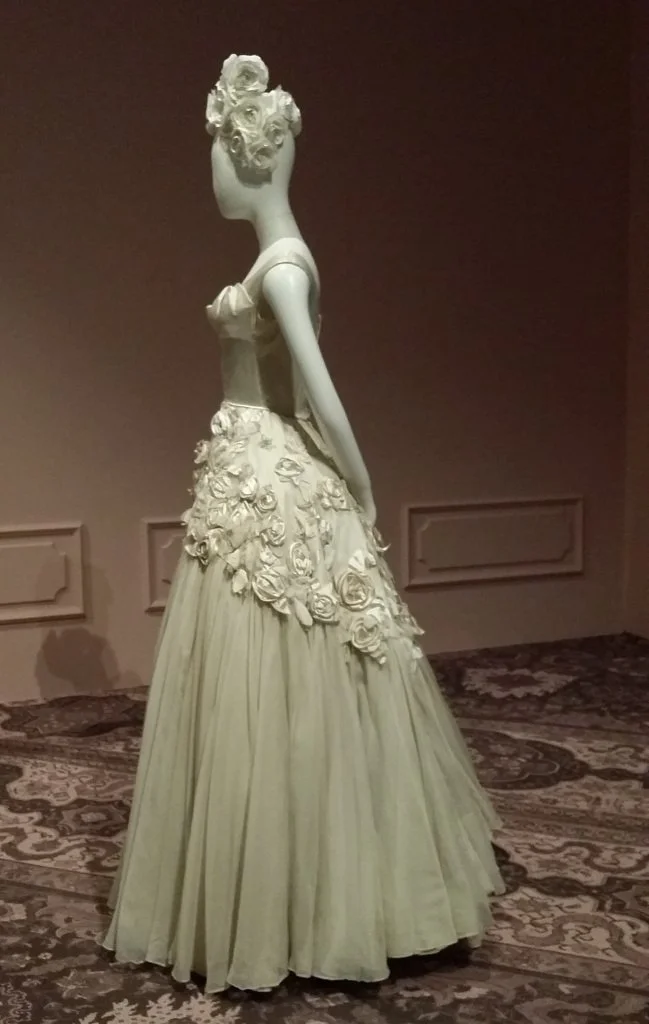
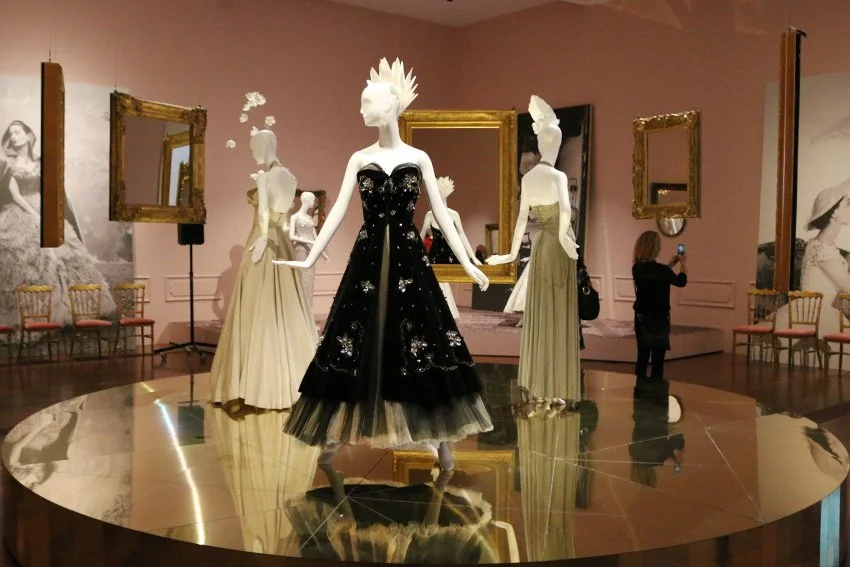
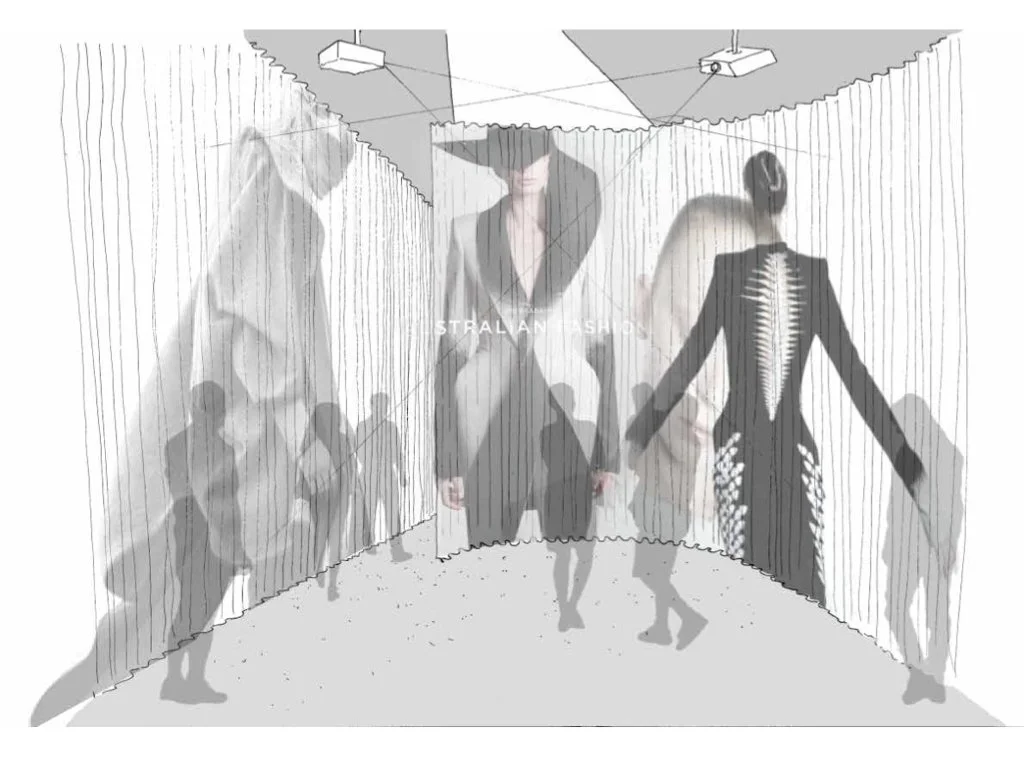
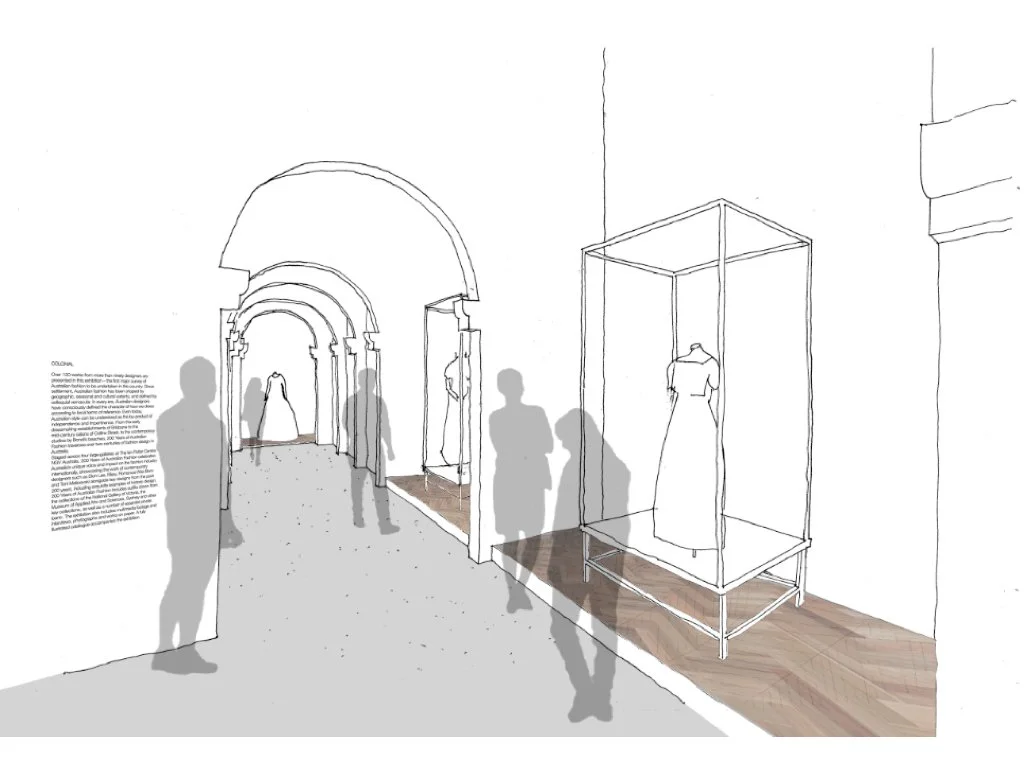
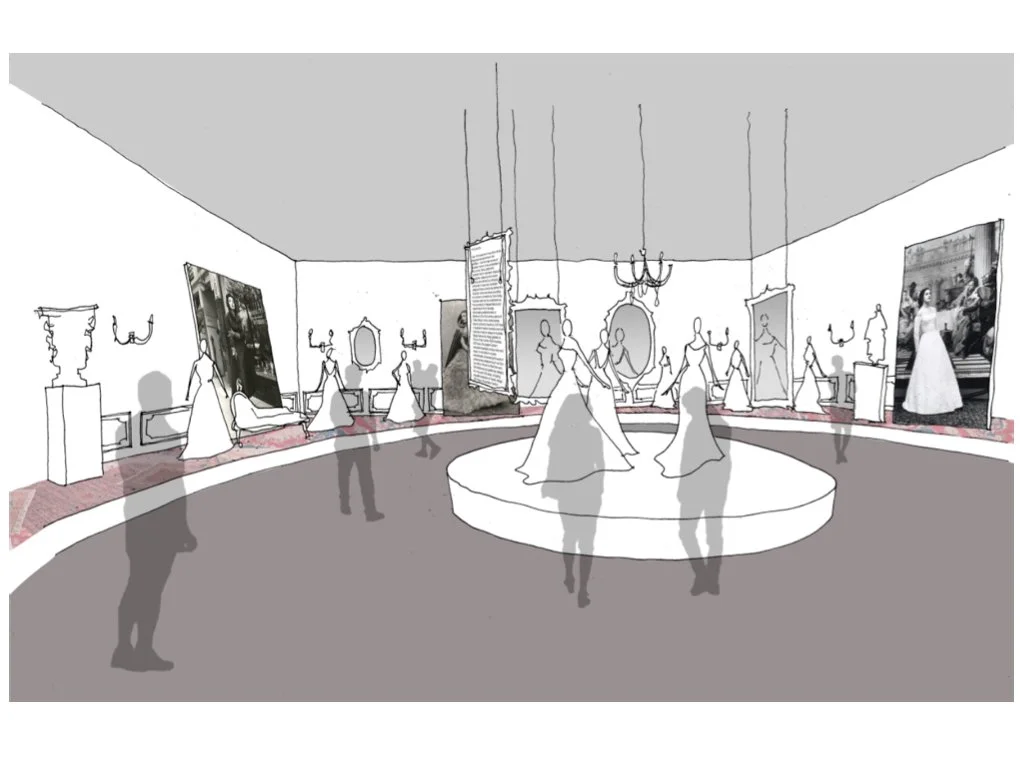
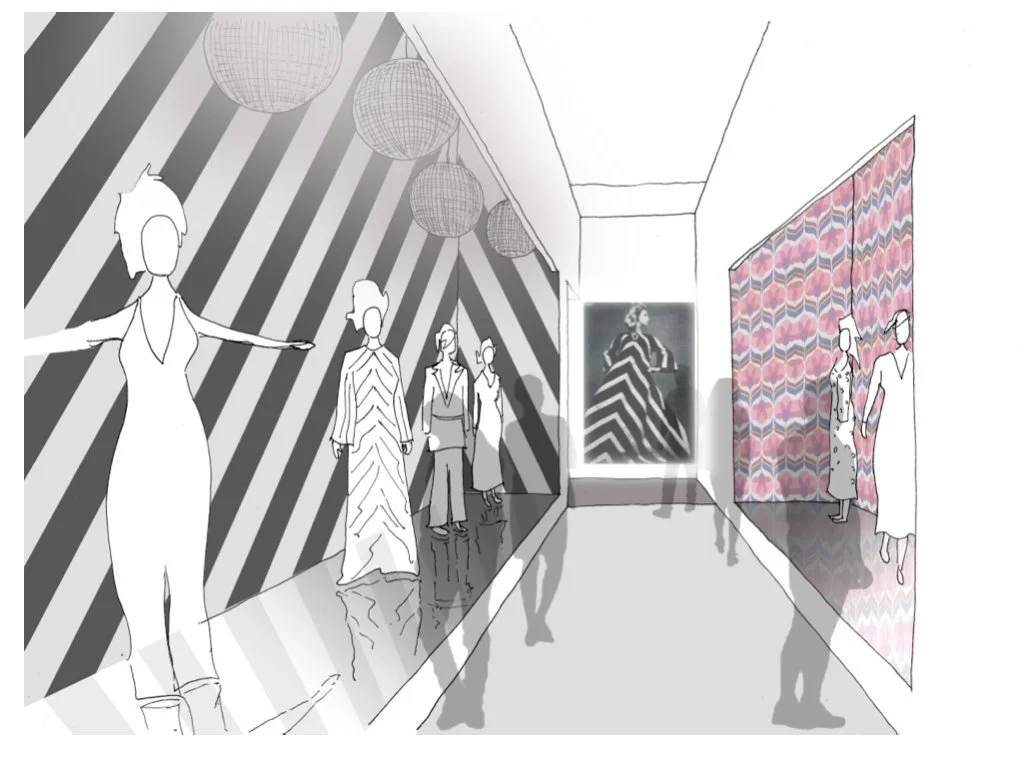
The design gave each era of Australian fashion its own distinct identity, with the exhibition's rhythm alternating between moments of intimacy and spectacular display. Visitors entered through a curtained, textile-referencing threshold before moving into a Colonial gallery of stylised archways and timber display cases set against a serene off-white backdrop. The Salon gallery evoked the glamour of Melbourne's "Paris end" of Collins Street, centred on a large gold revolving dais set against pink walls, gilded suspended mirrors, and mannequins styled with bespoke paper flowers echoing the millinery of the period.
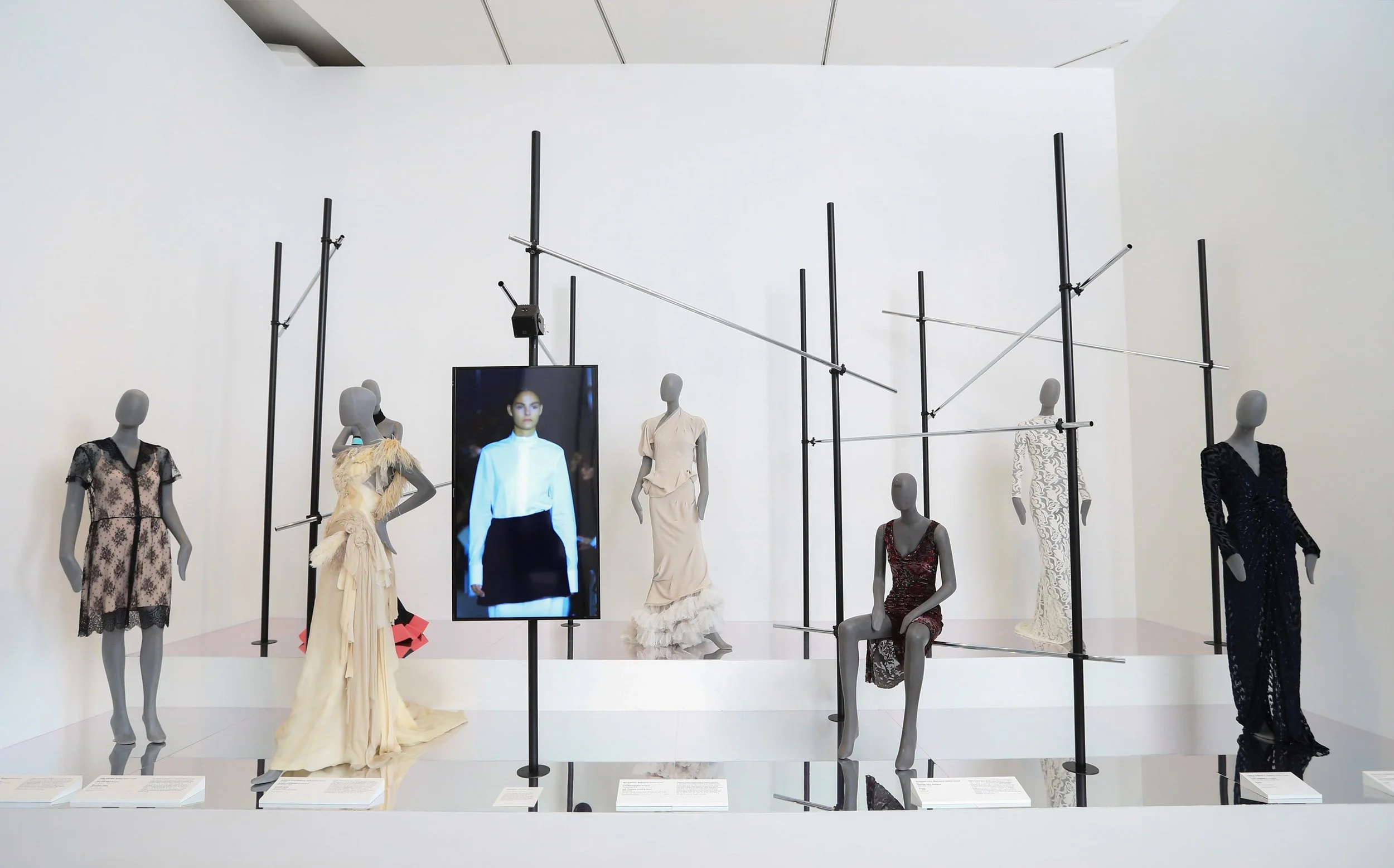
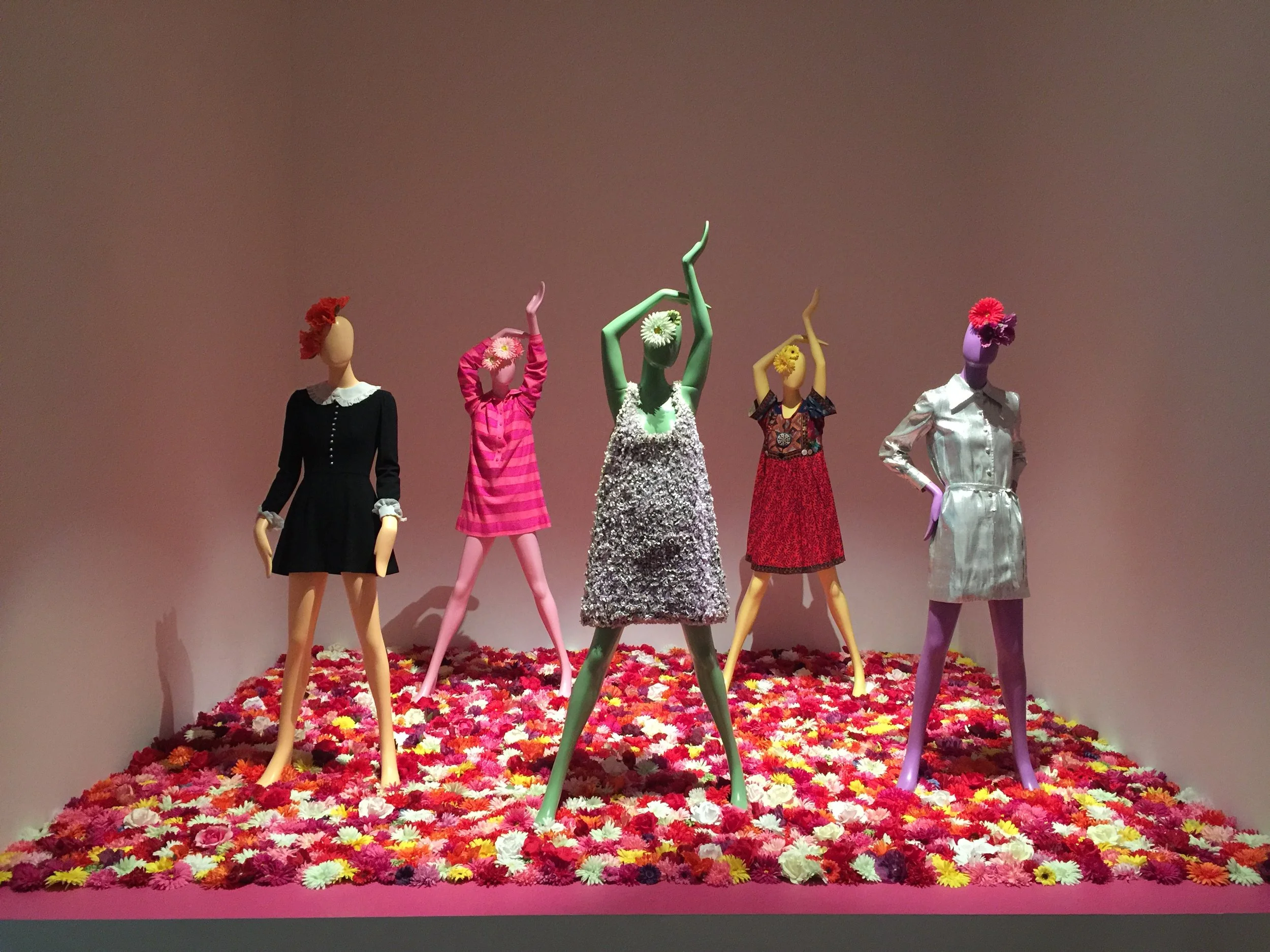
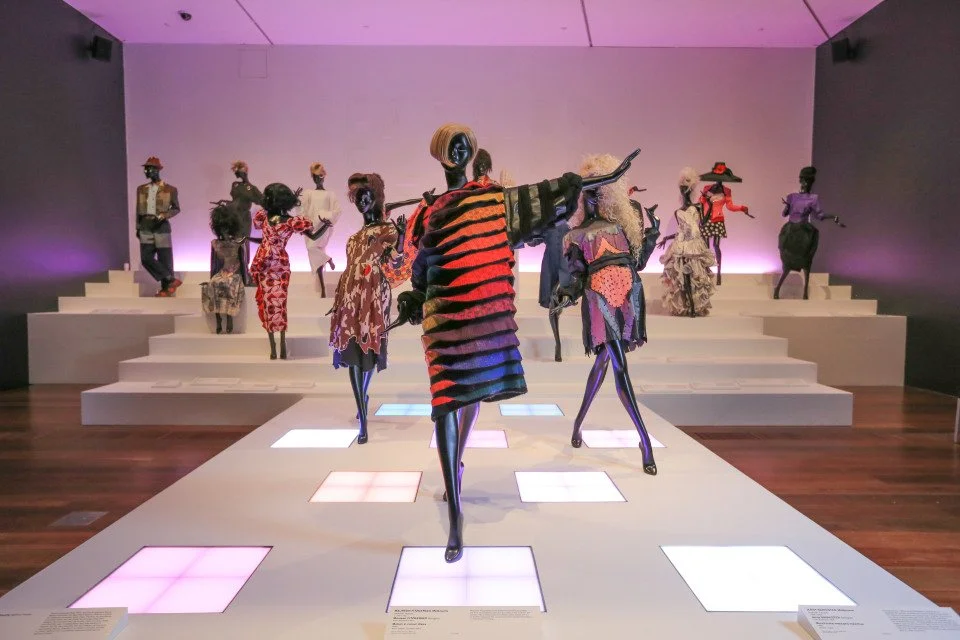
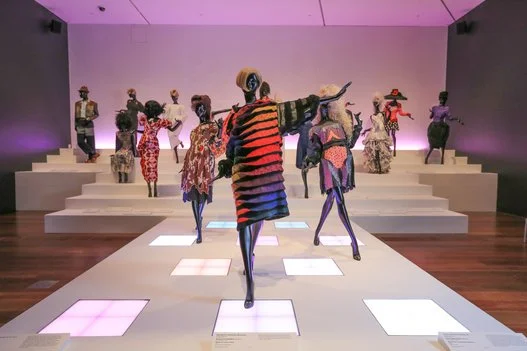
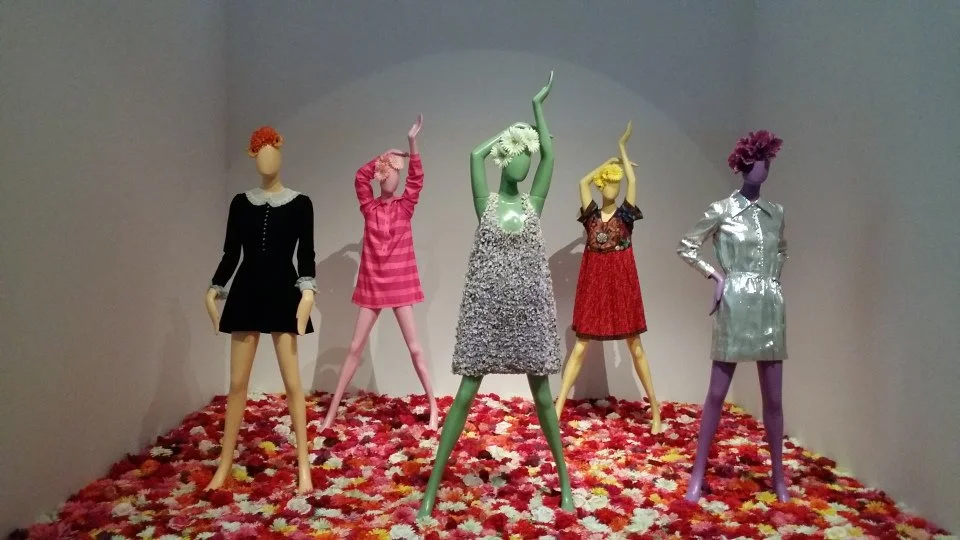
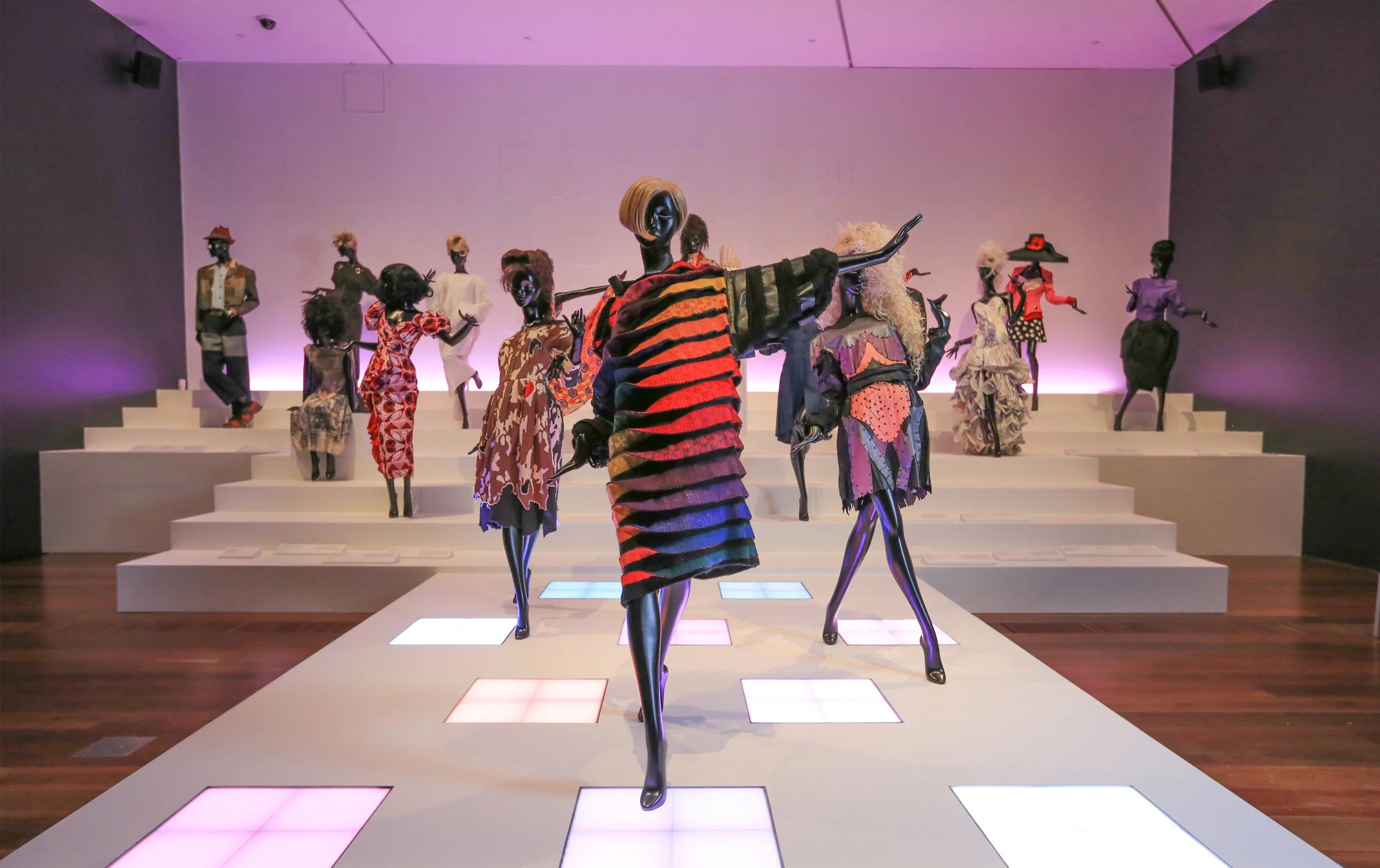
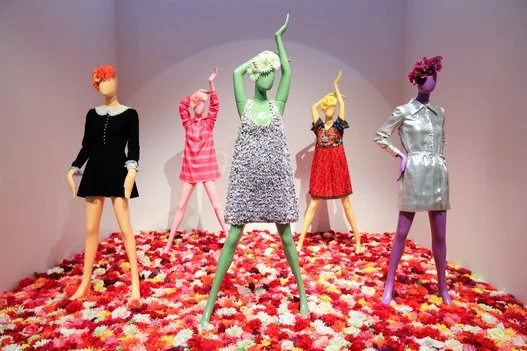
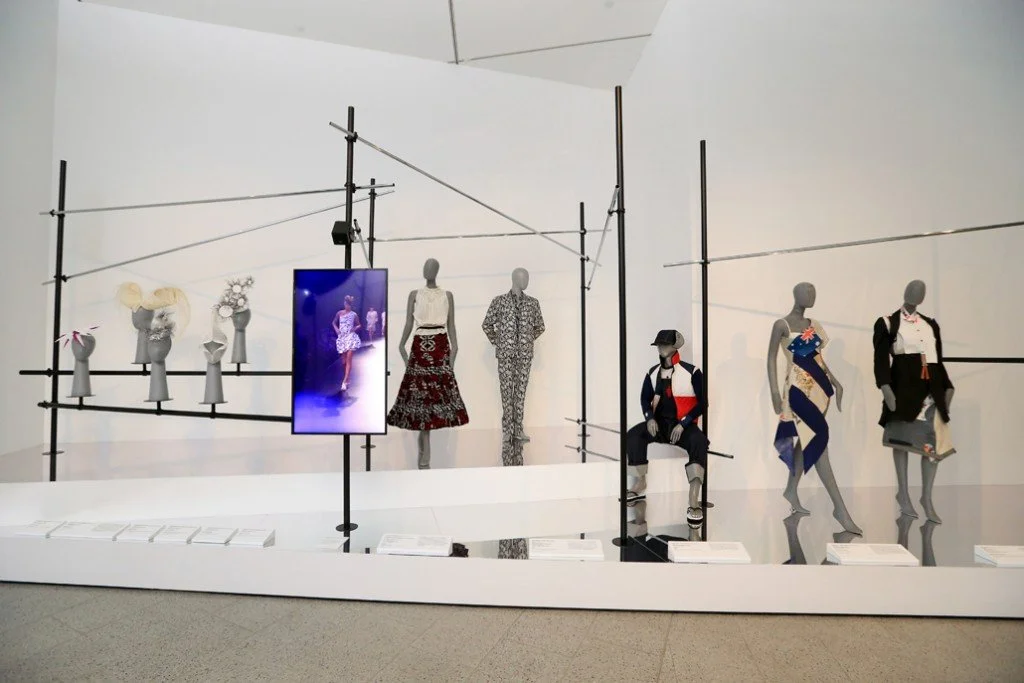
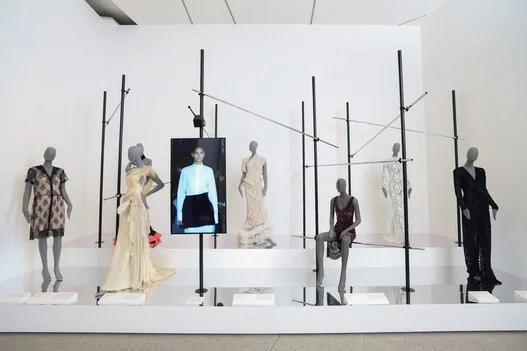
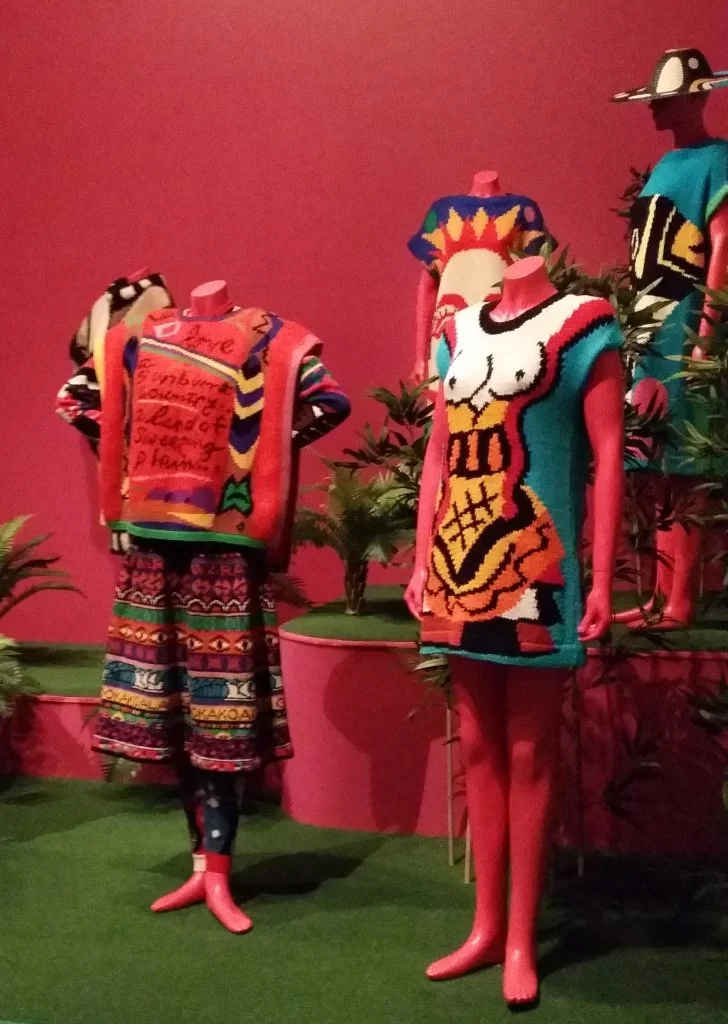
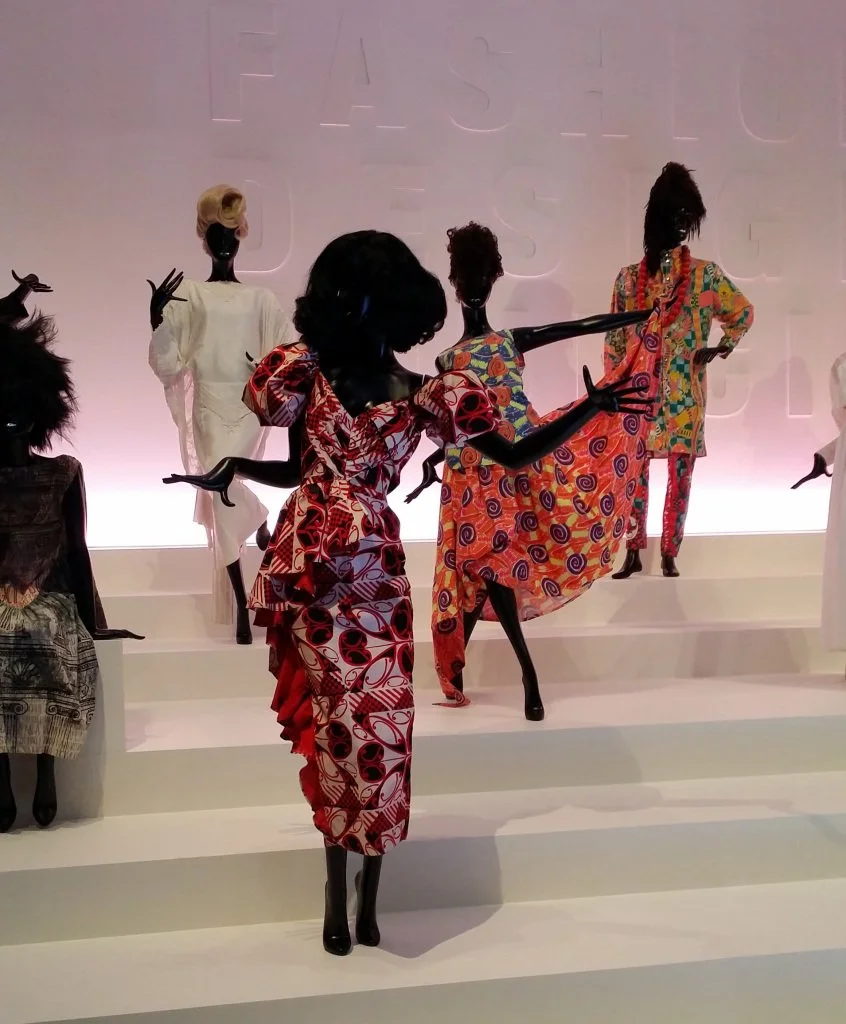
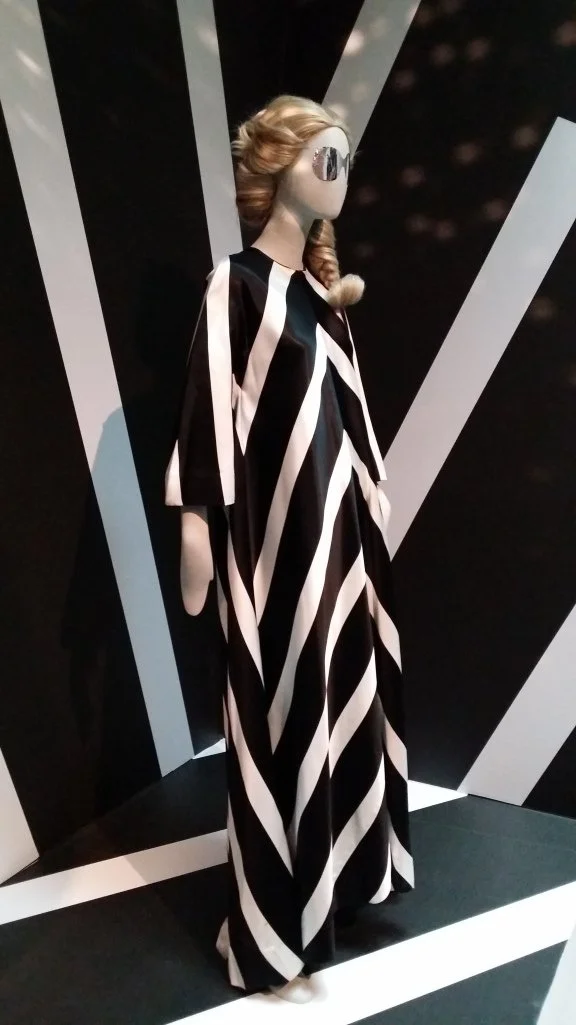
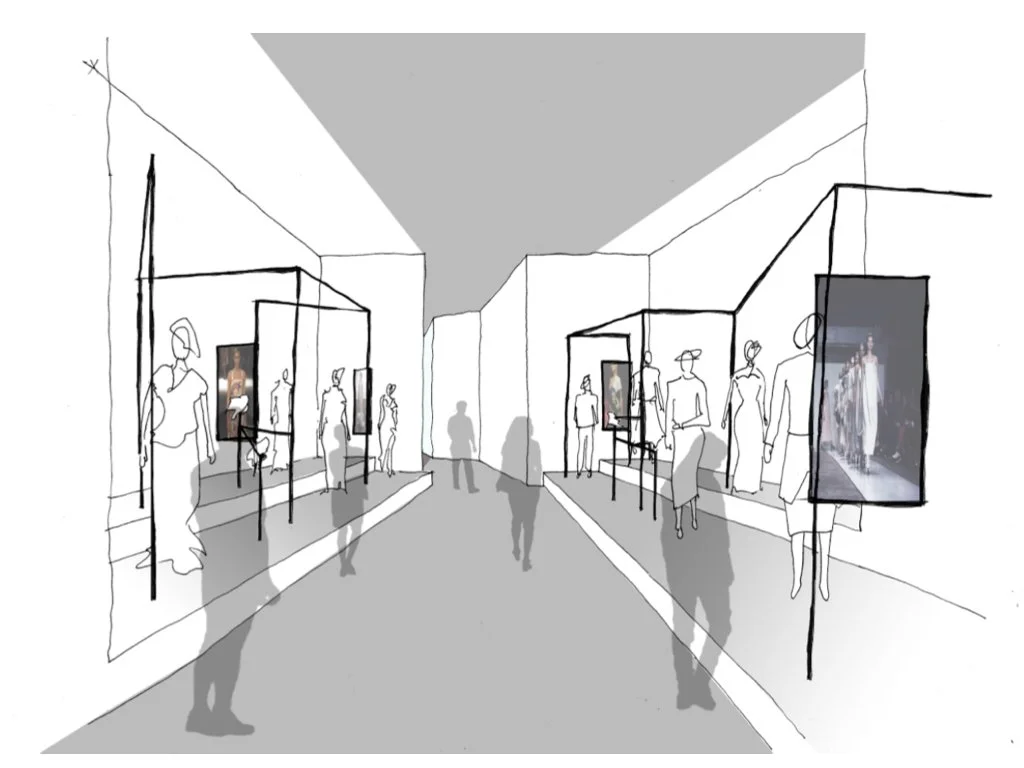
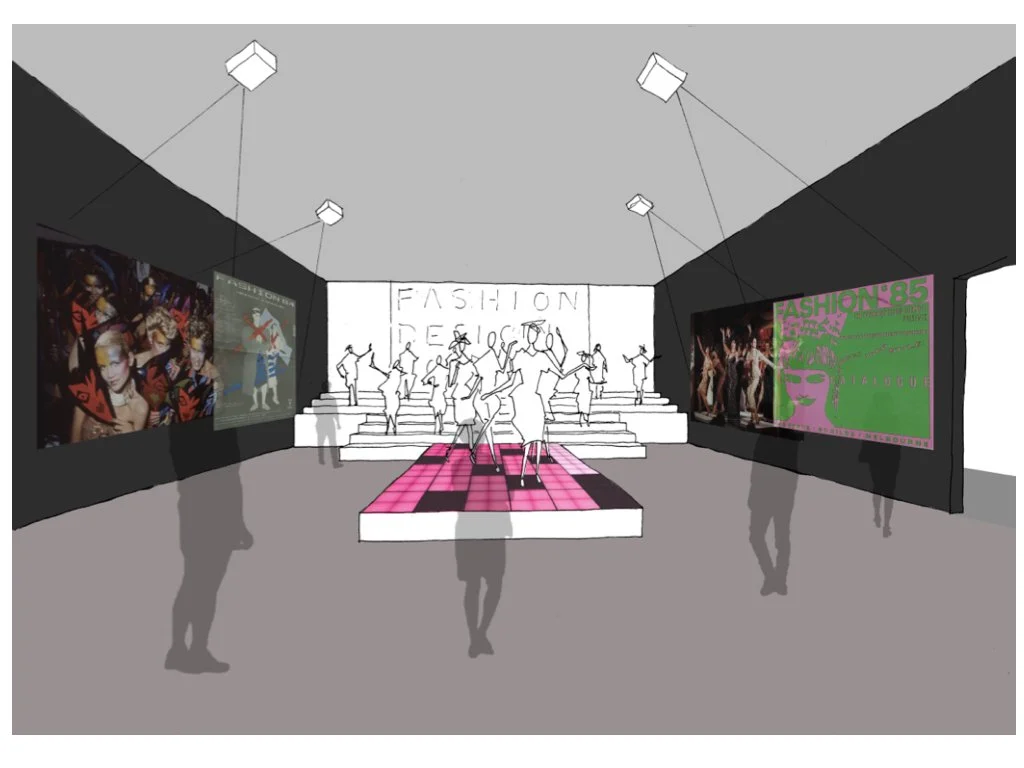
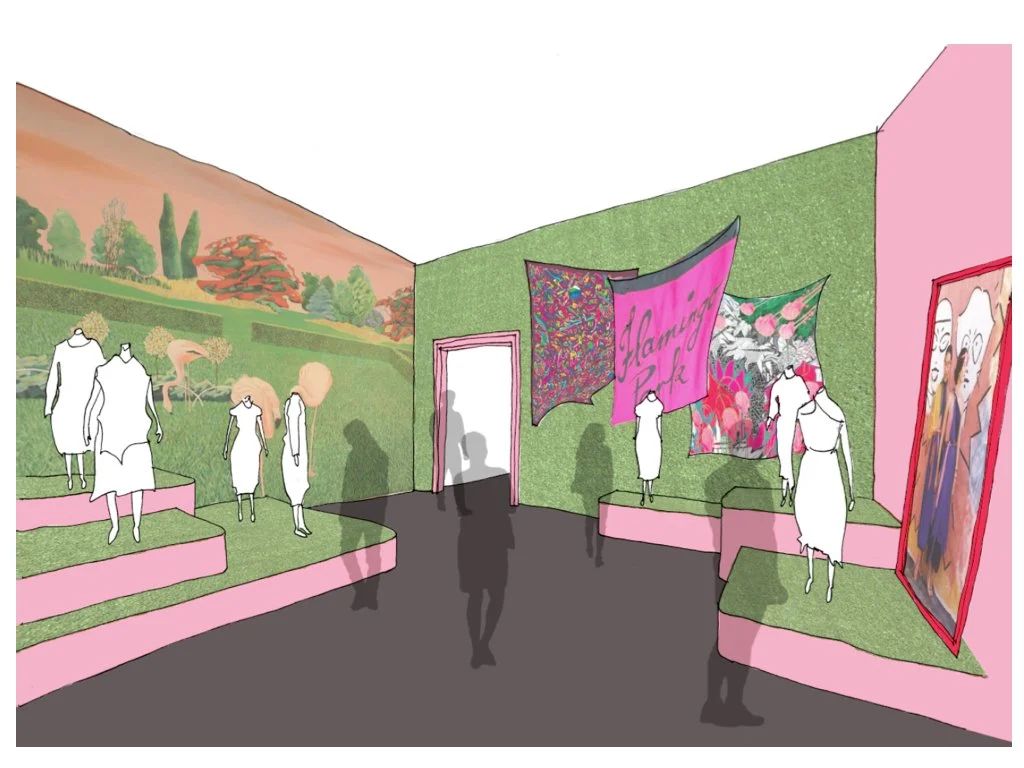
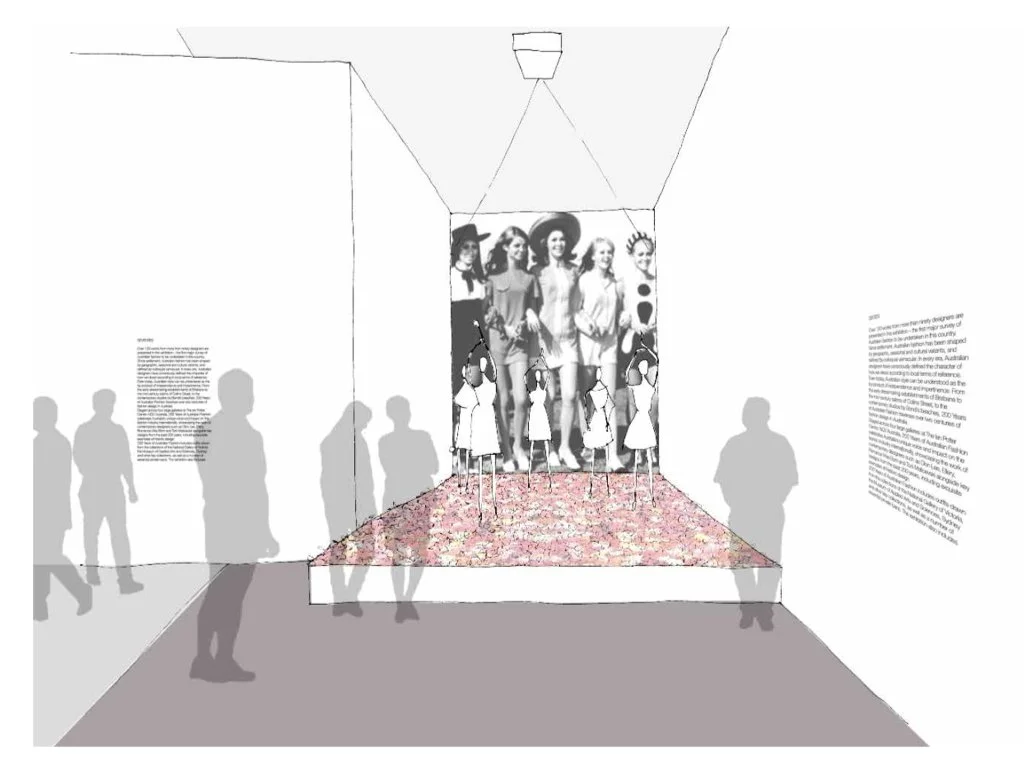
Flamingo Park recreated the saturated, exuberant world of Jenny Kee and Linda Jackson's original store — hot pink walls, astroturf and a reproduction of Kee's own painting — a gallery the pair reportedly declared "spot on" on seeing it installed. The following decades were staged in deliberate contrast: the 1980s in heightened drama, with glossy black mannequins lit by flashing dance-floor tiles, against the cool white, black and grey of the 1990s, where a custom steel armature referenced the scaffolding of a backstage runway show.
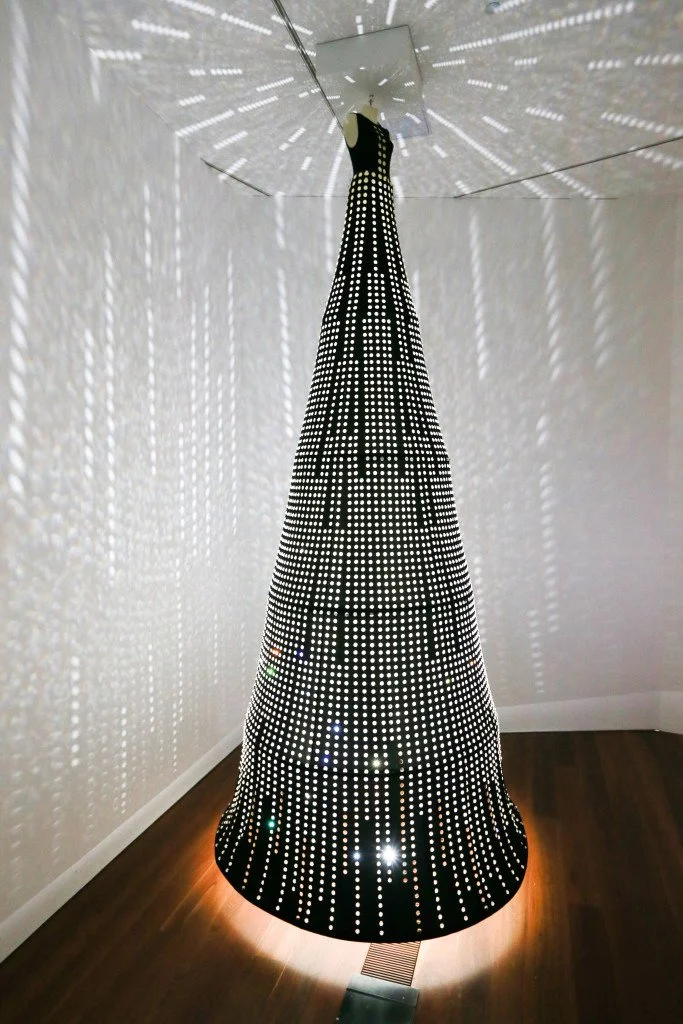
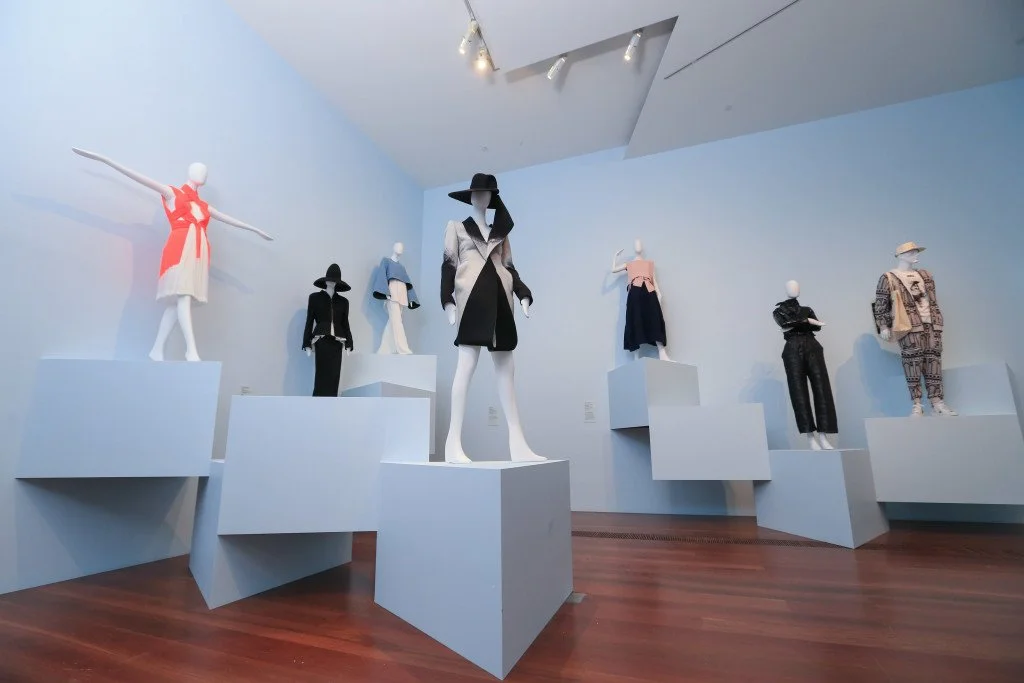
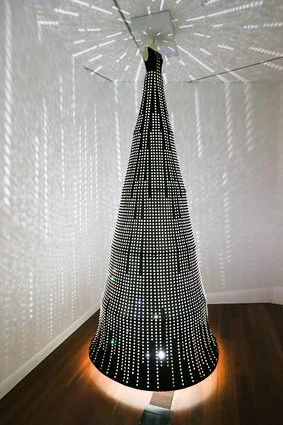
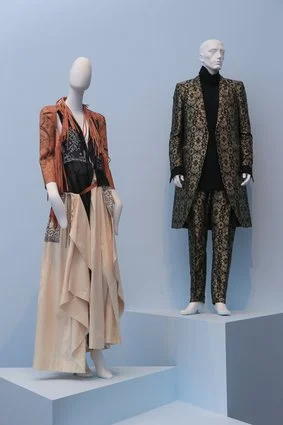
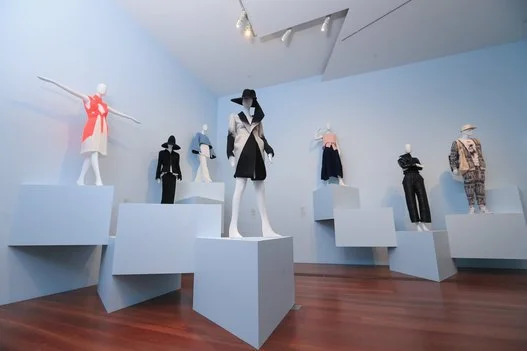
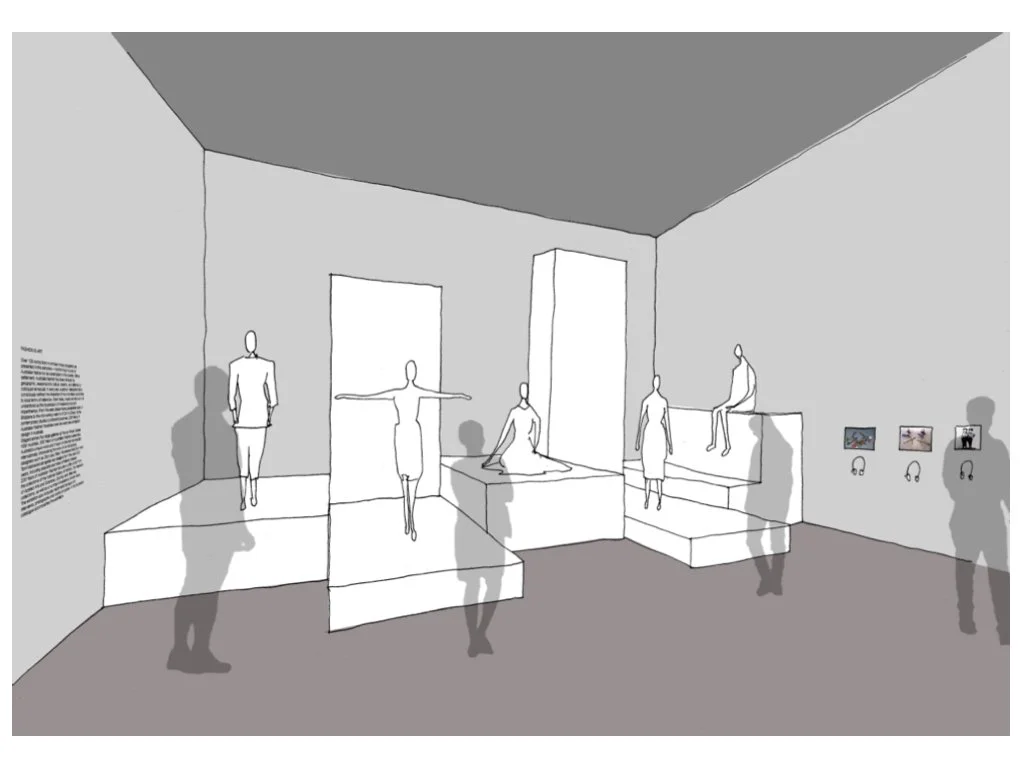
The exhibition closed with a two contemporary galleries comprising chrome scaffolding and tessellated, angular plinths, building to a final couture installation by Dion Lee.
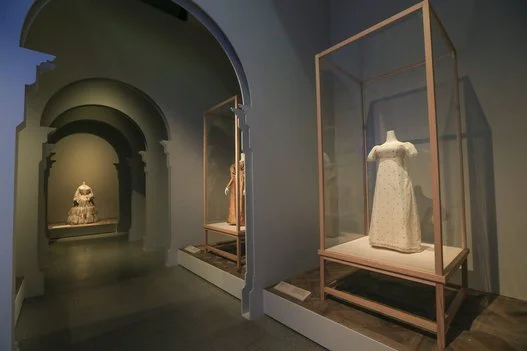
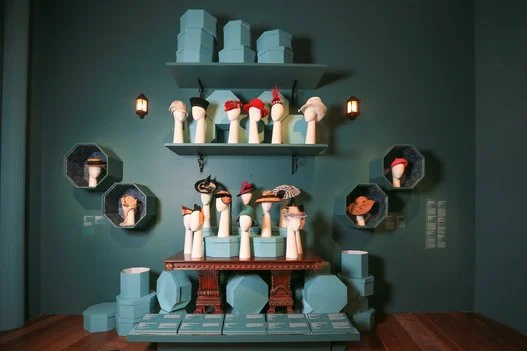
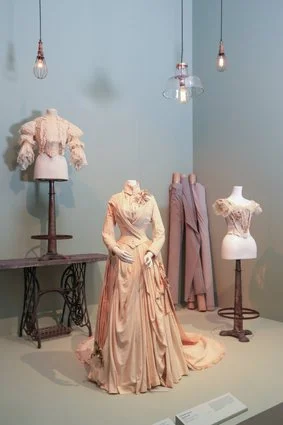
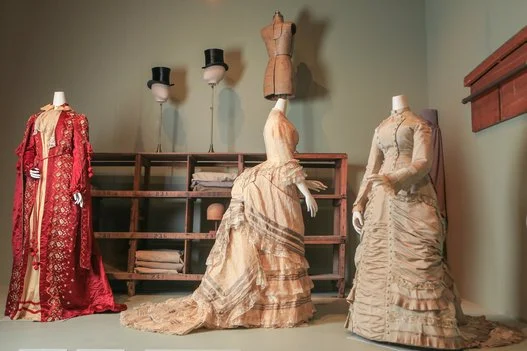
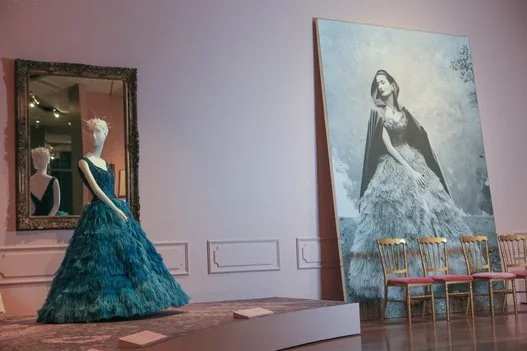
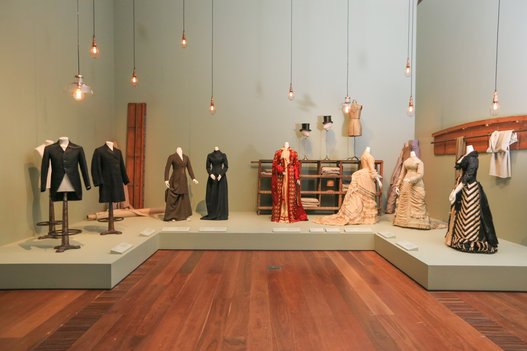
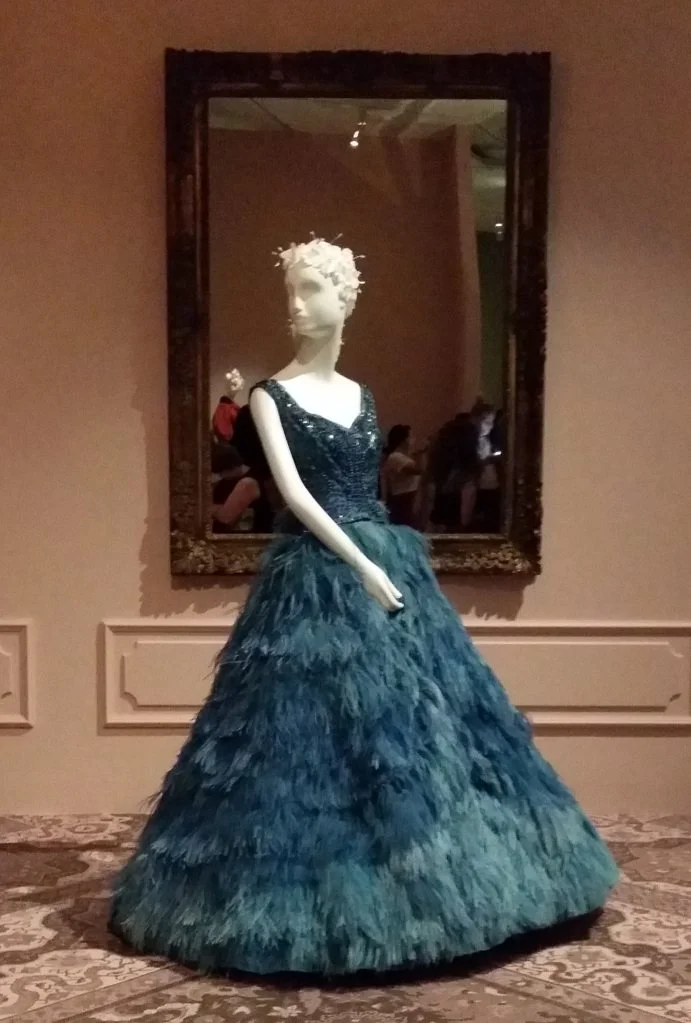
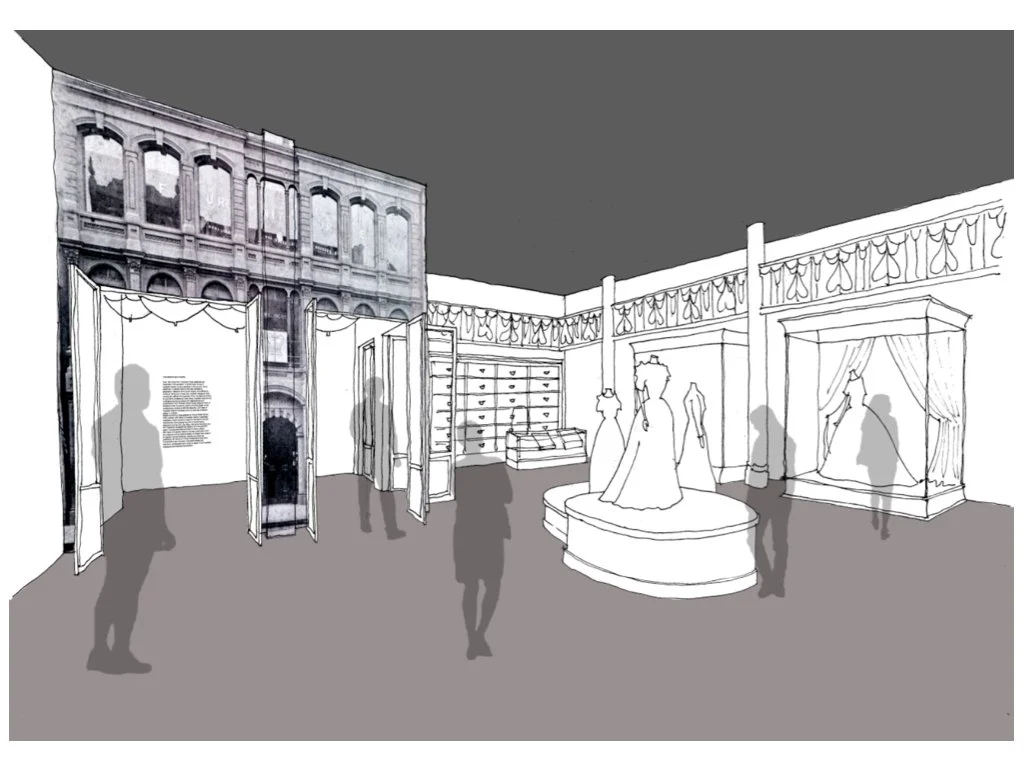
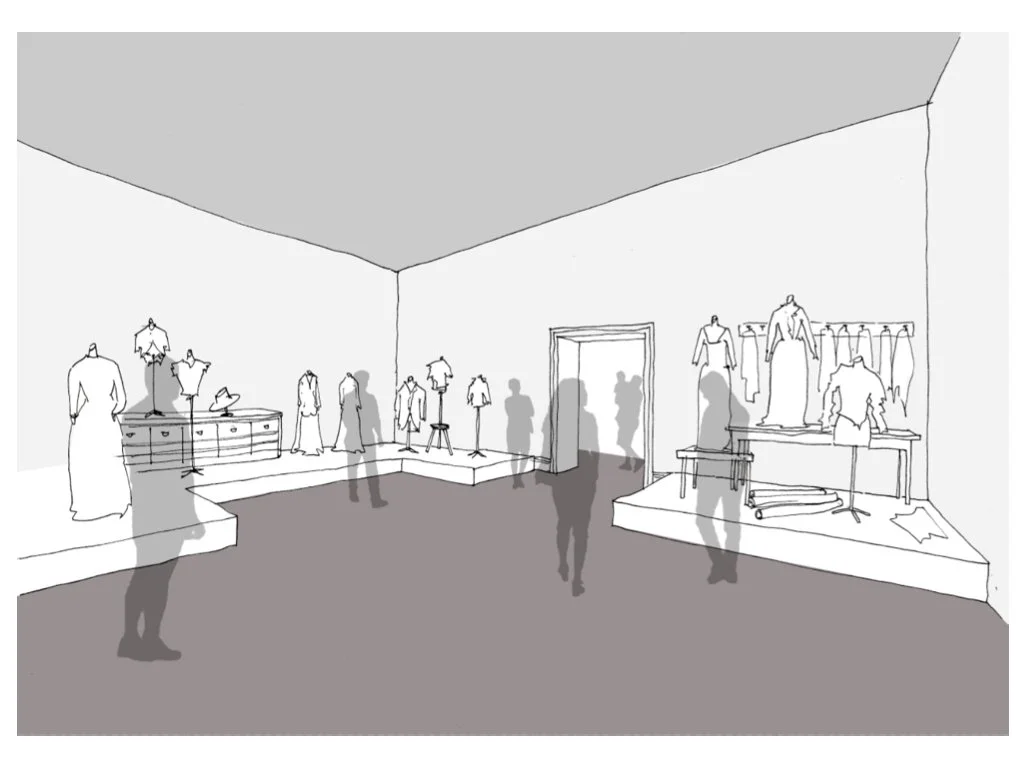
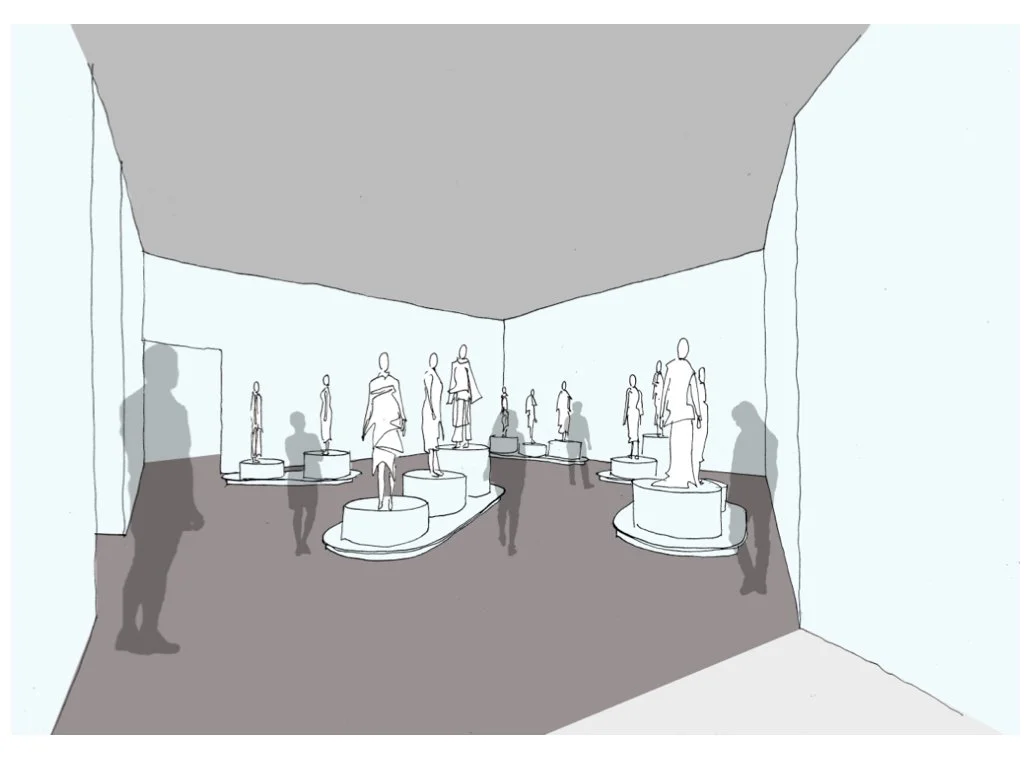
“After the muted entrance, the exhibition bursts into the ‘emporium’ room, charting the explosion of wealth in gold rush-era Melbourne and the emergence of department stores from the 1850s onward. Tailors and dressmakers also proliferated, offering imported and local designs.
The emporium room cleverly uses wallpaper, pressed metal and a balcony railing to evoke a department store. Mirrors behind the garments are another helpful touch. Subsequent rooms use bolts of fabric to suggest a tailor or dressmaker salon.”